Kasuga Grand Shrine ( Kasuga-taisha) 春日大社
Kasuga Grand Shrine is a Shinto shrine in the city of Nara. Established
in 768 CE and rebuilt several times
over the centuries, it is the shrine of the Fujiwara family. The interior
is famous for its many bronze lanterns,
as well as the many stone lanterns that lead up the shrine. The architectural
style Kasuga-zukuri takes
its name from Kasuga Shrine's Honden (sanctuary). Kasuga Shrine, and the
Kasugayama Primeval Forest near it,
are registered as a UNESCO World Heritage Site. The path to Kasuga Shrine
passes through Deer Park.
In Deer Park, deer are able to roam freely and are believed to be sacred
messengers of the Shinto gods
that inhabit the shrine and surrounding mountainous terrain. Over three
thousand stone lanterns line the way.
The shrine became the object of Imperial patronage during the early Heian
period. In 965, Emperor Murakami ordered
that the messengers were sent to report important events to the guardian
kami ( God ) of Japan.
From 1871 through 1946, Kasuga Shrine was officially designated one of
the Kanpei-taisha, meaning that it stood
in the first rank of government-supported shrines.
春日大社は、中臣氏(のちの藤原氏)の氏神を祀るために768年に創設された奈良市にある神社。
神紋は「下がり藤」。全国に約1000社ある春日神社の総本社である。武甕槌命が白鹿に乗ってきたとされることから、
鹿を神使とする。ユネスコの世界遺産に登録されている。
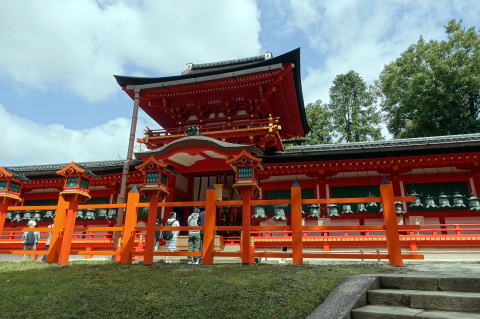 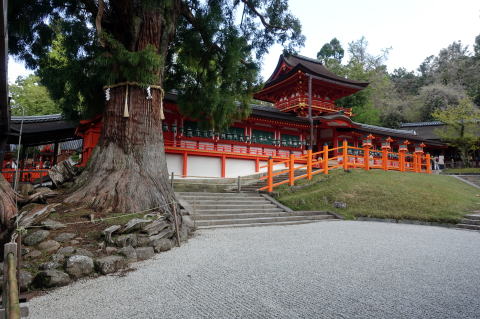
Kasuga Grand Shrine
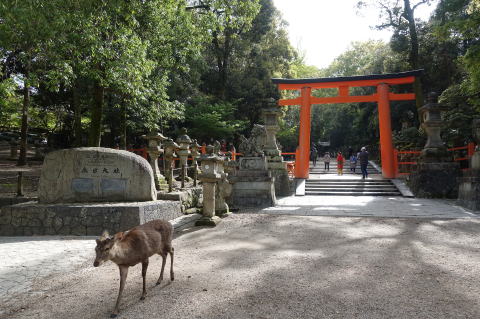 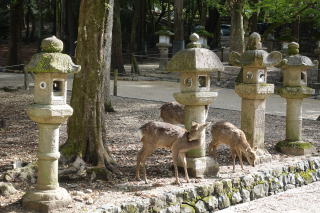
Deer can roam freely and are believed to be sacred messengers of the Shinto
gods.
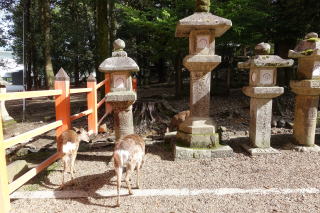 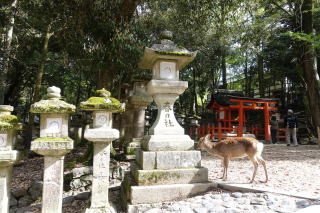
(L) Path leading up to the shrine, on that a deer walks between the row
of stone lanterns. (R) Chozuya ( Temizuya )
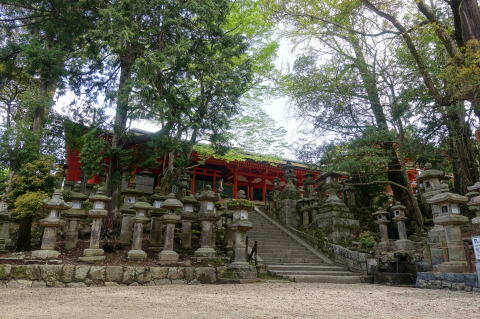 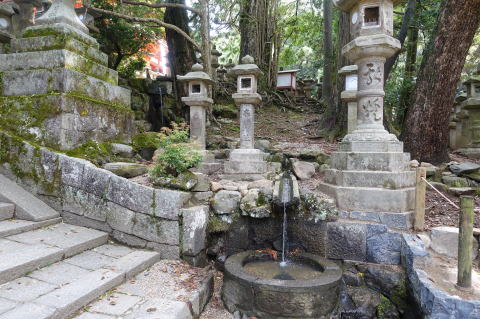
A stairway to Kasuga Grand Shrine
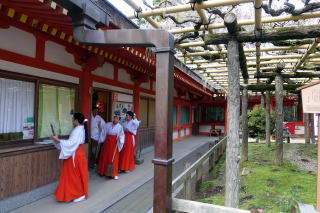 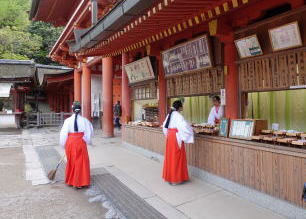
Shrine maidens in Kasuga-Taisha
 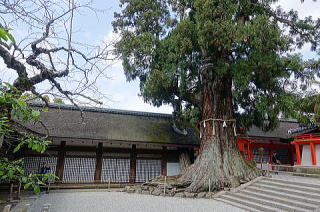
(L) Explanation board of Kasuga Grand Shrine (R) An old giant tree of the
shrine
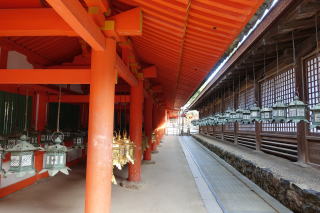 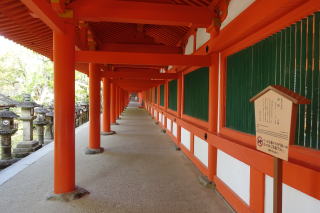 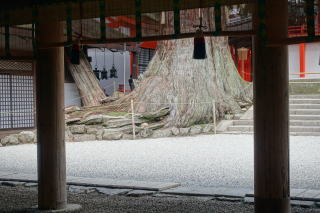
(L) Lanterns (M) Corridor of the shrine (R) A root of a giant sacred tree
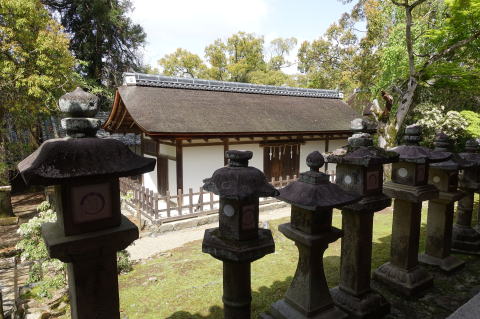 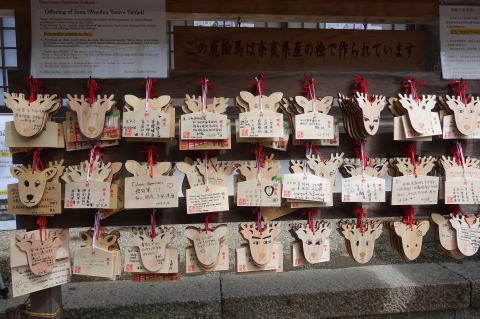
(L) Stone lanterns (R) Ema ( wishes ) plaques of a deer
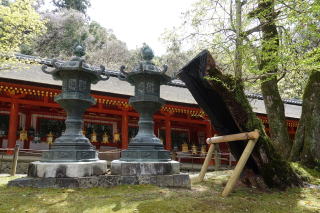 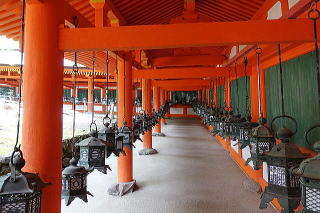 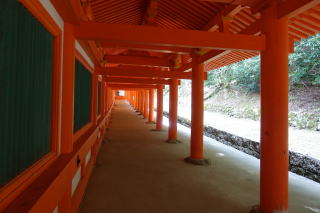
(L) Sacred tree has been cut down (M) Bronze lanterns (R) Corridors of
the shrine
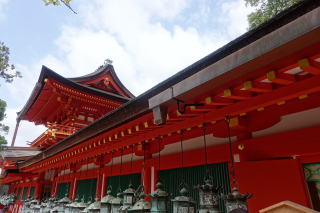 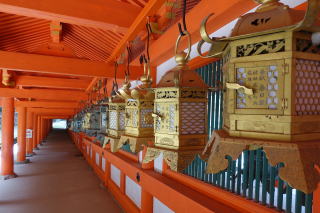 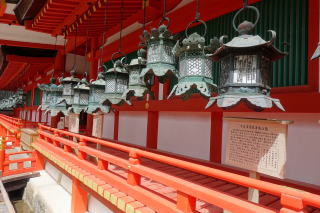
Corridors in the shrine complex: Bronze and gold lanterns
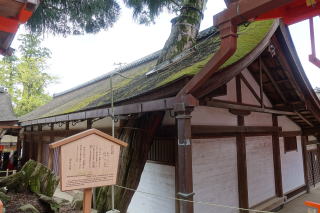 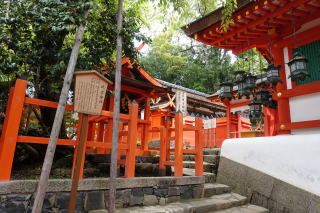 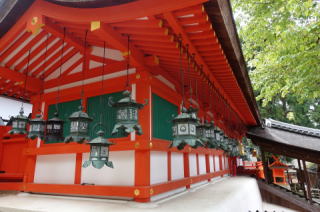
(L) Cedar of Iwamoto shrine: Height 23M, Circumference 7.94M. Age a thousand
years (M) Kazekami shrine(R) Bronze lanterns
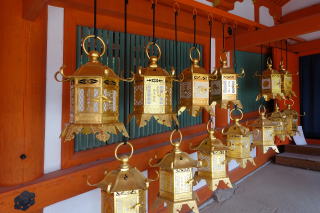 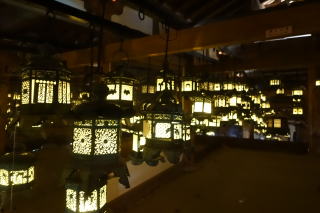 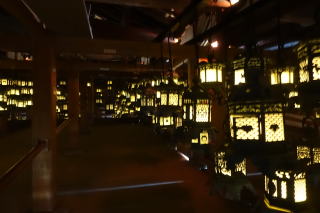
(L) Gold lanterns (R) Night lanterns
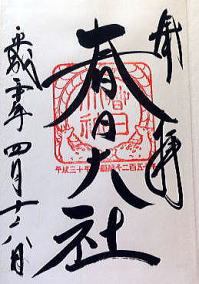 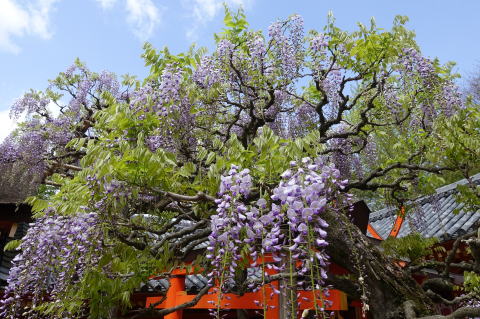 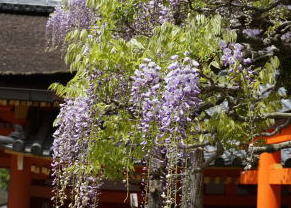
(L) Goshuin: akusejo (R) The wisteria in full bloom: The emblem of Kasuga
Grand Shrine is downy wisteria.
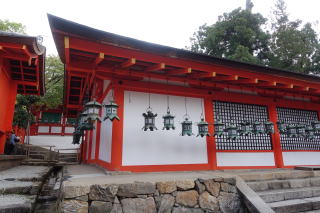 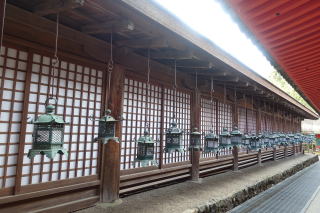
Bronze lanterns
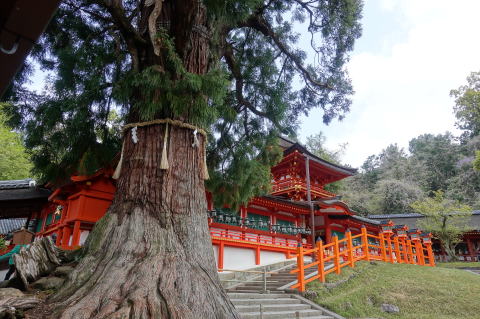 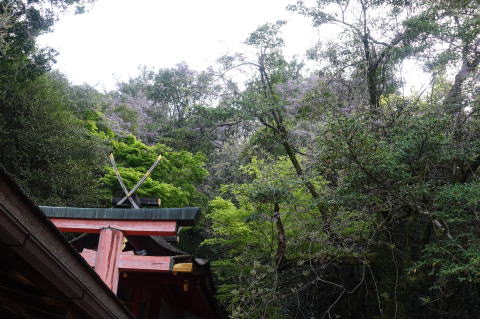
(L) A sacred tree of the Kasuga Grand Shrine (R) Torii of Wakamiya Shrine
and a native forest of Mikasayama mountain
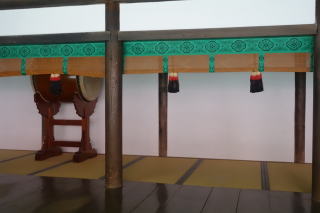 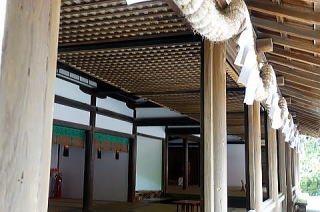 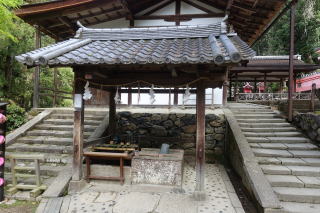
(L) Saiden of Wakamiya shrine (R) Chozuya ( Temizuya ) of Meoto-daikokusha
shrine
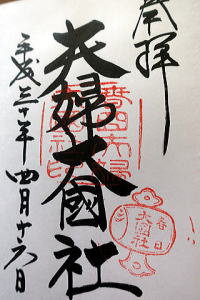 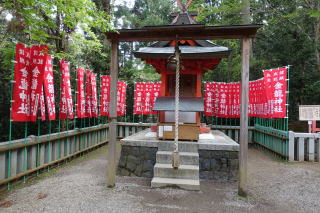 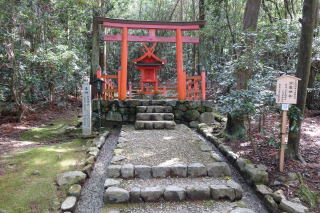
(L) Goshuin: akusejo (M) Kinryu shrine (R) Munakata shrine
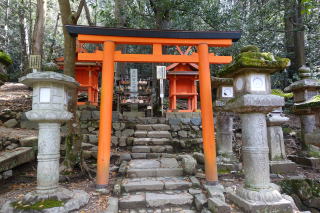 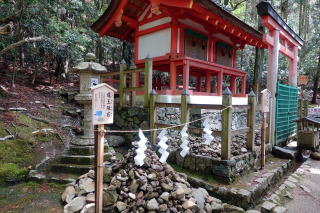
(L) A breast shrine at the Kasuga Shrine walk (R) A jewel stone of the
dragon king
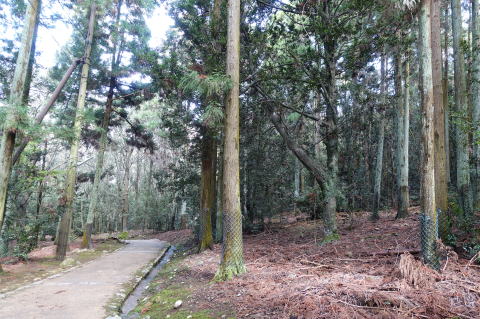 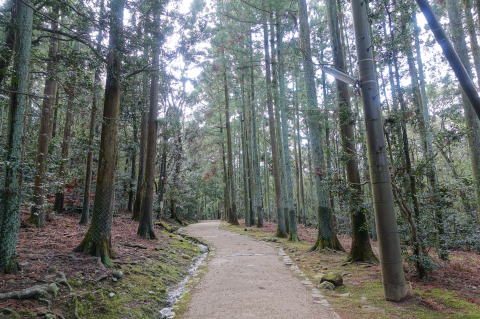
A walk in the native forest of the Kasuga Grand Shrine
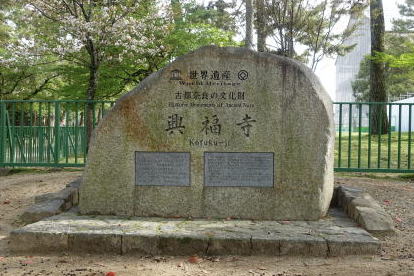
Kofukuji Temple 興福寺
Kofukuji is a Buddhist temple that was once one of the powerful Seven Great
Temples, in the city of Nara.
The temple is the national headquarters of the Hosso school and is inscribed
on the UNESCO World Heritage List.
興福寺は、奈良市登大路町にある、南都六宗の一つ、法相宗の大本山の寺院である。南都七大寺の一つに数えられる。
藤原氏の氏寺であり、古代から中世にかけて強大な勢力を誇った。
南円堂は西国三十三所第9番札所である。興福寺は世界遺産に登録されている。
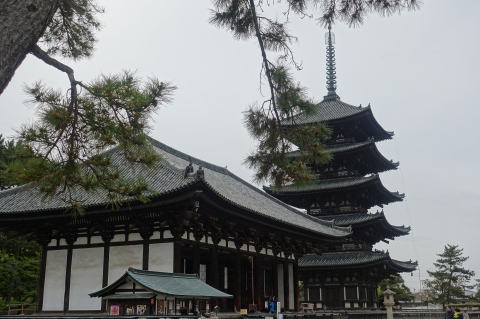 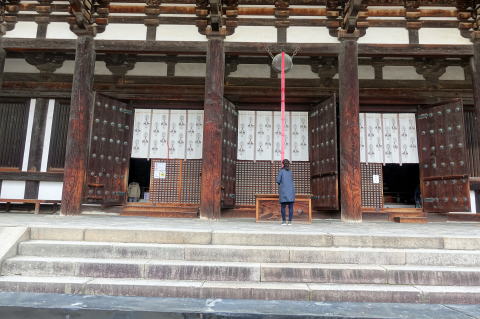
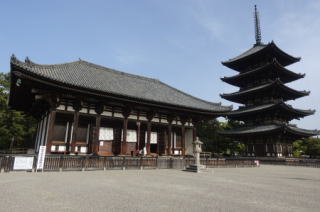
(L) Kofukuji Temple and five-storied pagoda (R) Higasgi-Kondo ( East Golden
Hall)
南円堂は西国三十三所第9番札所である。興福寺は世界遺産に登録されている。
(L) Kofukuji temple is one of the eight Historic Monuments of Ancient Nara
inscribed on the UNESCO World Heritage List.
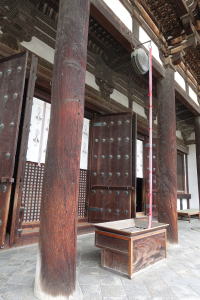
(R) The entrance to the East Golden Hall (R) Kofukuji Temple and five-storied
pagoda
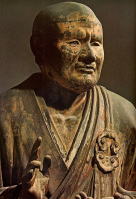 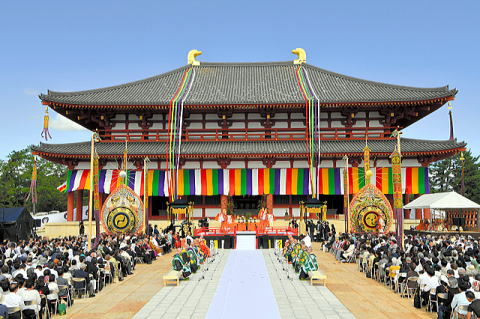
(L) A statue of Unkei at Kofukuji, Nara (R) 興福寺落慶 October 2018 : Picture source: Asahi. Com.
中金堂は長い寺史の中で7度の火災に遭い、1717年の大火で焼失した後は仮堂が建設、今回は300年ぶりに復興した
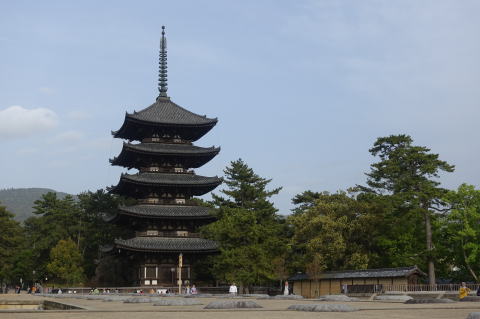 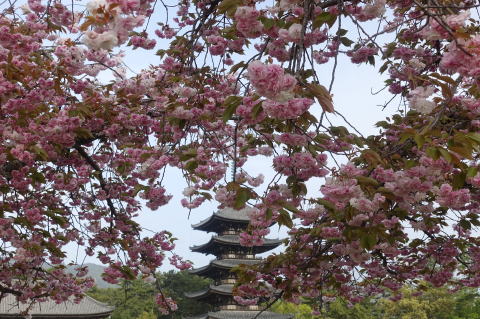
Five-storied pagoda in spring time in full blossom
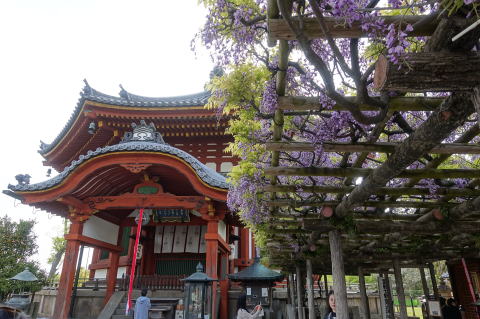 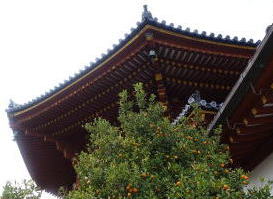 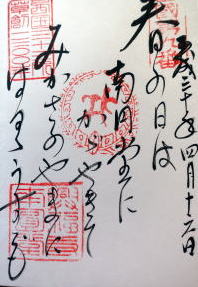
(L) Nanendo is the No.9 of Saigoku 33 Pilgrimage. (M) A lot of tachibana
ar attached to the trees at Nanendo.
(R) Goshuin: akusejo (L) Kofukuji Temple and five-storied pagoda (R) Higasgi-Kondo
( East Golden Hall)
Shrine and temples in Nara
 Kasuga-taisha Todaij, Nigatsudo Horyuji, Toshodaij Nara Park Kasuga-taisha Todaij, Nigatsudo Horyuji, Toshodaij Nara Park
Osaka
Osaka, Shitennouji, Dotonbori, Railways in Osaka Tennoji Zoo
 Smoke-free hotels in Japan Smoke-free hotels in Japan
Smoke-free hotels in Tokyo
Smoke-free hotels in Kyoto and Nara
Domestic travel in Japan
Stress-free travel in Tokyo Metropolitan and Kyoto area
Travel sketch in Japan and the world in respect to smoking regulations
 H H
Smoking Restriction at Hotels in the World: Actual Survey
The ratio of a smoking guest room to the total hotel rooms was calculated,
based on the on-the-spot investigation.
 春の奈良、春日大社 春の奈良、春日大社
 執筆 医学博士 宮本順伯 執筆 医学博士 宮本順伯
★This Web site is link-free.
This information was provided by the Smokefree Hotel and Travel.
The photographs are taken and the article was written in April 2018,
by Junhaku Miyamoto, M.D., Ph.D.
An information was added in November 2018.
Copyright (C) 2018 Junhaku Miyamoto, PhD. All right is reserved.
|